State Health Permits Needed for Temporary Restroom Rentals
Why State Health Permits Matter for Your Porta Potty Rental
Porta potty rentals in the US are driven by construction activity, outdoor events, and emergency response. Customers often need temporary sanitation for worksites, gatherings, or remote locations. The biggest national variables are regional climate differences, varying state health codes, and seasonal demand.
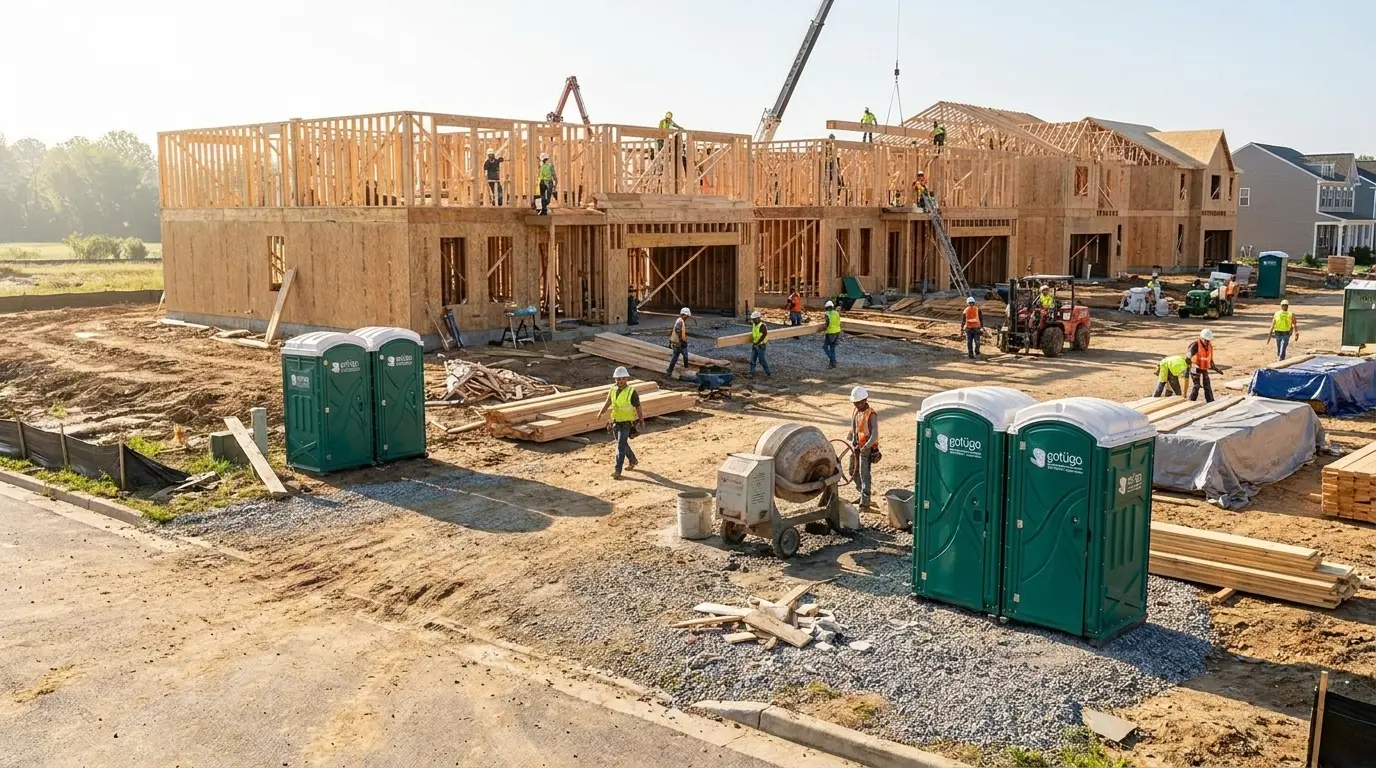
State health permits are required in most places for events over a certain size or construction sites with multiple workers. For example, California Title 8 sets specific ratios of toilets per workers. Local health departments issue permits and inspect units for cleanliness and proper waste disposal. Without a permit, you risk fines and project delays.
Which Agencies Regulate Temporary Restroom Permits?
Multiple agencies oversee portable sanitation permits. The Occupational Safety and Health Administration (OSHA) requires one toilet per 20 workers on construction sites, with separate facilities for each gender. Local county or city health departments handle permits for events. State environmental protection agencies regulate waste disposal and require licensed haulers for tank pumping. Fire marshals may impose spacing rules for units at large gatherings. The Portable Sanitation Association International (PSAI) offers best practices but does not issue permits.
When Do You Need a Permit?
Permit requirements depend on your location and event size. Many counties require a permit for any event expecting over 100 attendees. Construction sites with more than 10 workers often need a permit from the local health department. Some states, like New York, have additional rules for events near water bodies. Always check with your local health department before ordering units.
“In my 15 years in the business, I’ve seen permits get denied because the porta potties were placed too close to food vendors. Fire marshals have their own spacing rules.”
How to Get a State Health Permit
Contact your local county health department or state environmental agency. They will provide an application form. You may need to submit a site plan showing unit locations, servicing schedule, and waste disposal method. Fees range from $50 to $500 depending on event size. Processing takes 1–4 weeks, so apply early. Some states like Florida allow online applications for small events.
What Happens If You Skip the Permit?
Operating without a permit can lead to fines of $500 to $5,000 per day. Inspectors can shut down your event or construction site until you comply. Failed inspections also delay projects and damage your reputation. For example, a music festival in Texas was fined $10,000 for insufficient restrooms. The cost of a permit is far less than the penalty.
Regional Differences in Permit Rules
Climate affects unit durability but not permits directly. However, cold-weather states like Minnesota require insulated units or antifreeze in tanks. Housing stock matters: in rural areas, permits may be simpler than in dense cities. Pricing drivers include permit fees, servicing frequency, and hauling costs. For instance, Porta Potty Rentals in California must follow strict Title 8 ratios, while Porta Potty Rentals in Texas may have more lenient rules.
Common Permit Requirements
-
OSHA 29 CFR 1926.51: one toilet per 20 workers, separate for each gender.
-
ADA Standards: handicap-accessible units at public events.
-
Fire marshal spacing: units must be 10 feet from structures or food areas.
-
Waste disposal: only licensed haulers can pump tanks.
-
Servicing schedule: weekly cleaning for long-term rentals.
Check with American Portable Sanitation for state-specific guidance. We work with local health departments to ensure compliance.
How to Choose a Rental Company That Handles Permits
A reputable company will help you understand local permit requirements. Ask if they provide proof of permit or handle applications. Some companies include permit fees in their quotes. For example, Porta Potty Rentals in New York often include permit processing. Always verify that the company uses licensed waste haulers and follows state environmental rules.
The Bottom Line on State Health Permits for Temporary Restrooms
State health permits are not optional. They protect public health and keep your project legal. Rules vary by county and state, so always confirm with local authorities. A licensed porta potty rental company can guide you through the process. Don’t risk fines or shutdowns—get your permit before you rent. Contact American Portable Sanitation for help with compliant rentals nationwide.
Frequently Asked Questions
Do I need a permit for a porta potty at a private party?
How much does a state health permit cost?
Who issues the permit for temporary restrooms?
Can I get a permit online?
What happens if I don't get a permit?
Need Nationwide Porta Potty Rentals?
We connect you with trusted local providers in your state or city. Call or email us today.