Rapid Deployment Units for Emergency Relief Operations
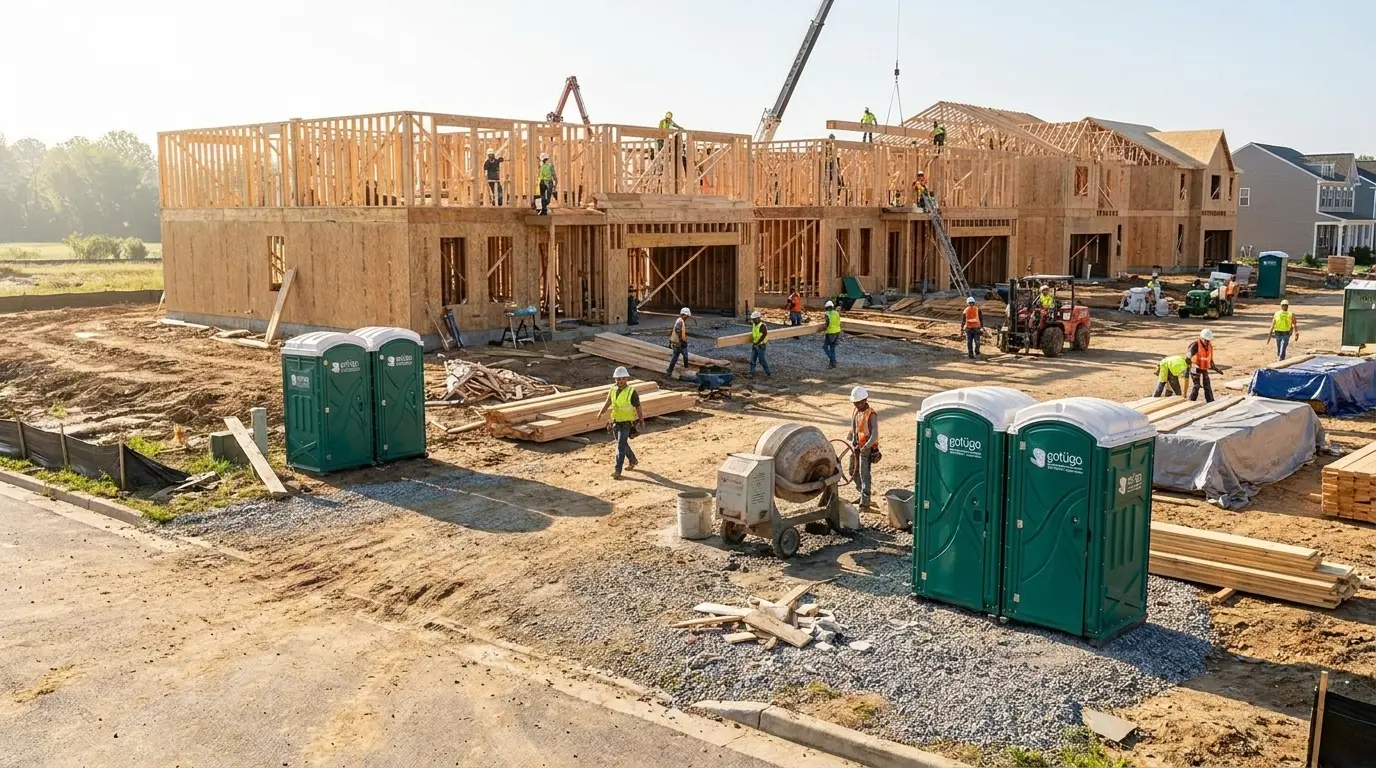
Why Rapid Deployment Units for Emergency Relief Operations Are Essential
After a hurricane, flood, or wildfire, normal water and sewer lines often stop working. Without working toilets, public health risks rise quickly. Rapid deployment units fill that gap. They arrive on flatbed trucks and can be placed in parking lots, tent cities, or along damaged roads. The American Portable Sanitation network coordinates delivery to match the scale of each event. In states like Florida and Texas, where hurricane seasons are long, providers keep extra inventory ready. Local health departments may require permits even during emergencies, so working with an experienced rental company keeps you compliant.
How Rapid Deployment Units Work in the Field
Rapid deployment units are standard portable toilets modified for quick setup. They come pre-charged with chemicals and fresh water. A single truck can carry 20 to 30 units. Setup teams place them in clusters near command posts, medical tents, and food distribution points. OSHA 29 CFR 1926.51 requires one toilet per 20 workers on construction sites, and that ratio guides emergency operations too. For large events like FEMA staging areas, providers follow ADA Standards for Accessible Design to include handicap-accessible units.
Climate and Durability Considerations
Regional climate affects unit performance. In the hot, humid Gulf Coast, units need extra ventilation and more frequent pumping to control odor. In northern states like Minnesota or North Dakota, freezing temperatures can crack tanks and damage valves. Providers in those areas use insulated units or add antifreeze solutions. Porta Potty Rentals in Florida often include sunshades and hand sanitizer stations because heat speeds up bacterial growth. Always ask your local rental company about climate-specific equipment before placing an order.
Permits and Regulatory Requirements
Local health departments often require permits for temporary sanitation even in emergencies. The county health office may set minimum ratios of toilets per person. California Title 8 specifies one toilet per 20 employees for construction and emergency work. Fire marshals may impose spacing rules for units near tents or buildings. State environmental agencies regulate waste disposal and require licensed haulers for tank pumping. The Portable Sanitation Association International (PSAI) provides guidelines that many agencies adopt. Check with your local county building and planning department before deployment.
Cost Factors and Planning Ahead
Pricing for rapid deployment units depends on location, delivery distance, and rental duration. In remote areas like Alaska or Montana, transport costs can double the base rate. Seasonal demand spikes in summer, when festivals and construction compete for the same inventory. Booking early or maintaining a contract with a national provider like American Portable Sanitation locks in rates. Delaying an order during a declared emergency can mean waiting days for units. That delay can slow recovery operations and create health violations.
Blockquote: A single missed toilet ratio can shut down a worksite. Plan your sanitation count before the first truck arrives.
Choosing the Right Provider
Not all rental companies handle emergency response. Look for providers with experience in rapid deployment. They should have a fleet of units ready to move, 24/7 dispatch, and knowledge of local health codes. National networks like American Portable Sanitation coordinate across state lines, which matters when a disaster crosses borders. They also partner with American Rental Association (ARA) and National Construction Rentals Association (NCRA) to maintain equipment standards. Ask about their pumping schedule and waste disposal licensing.
Practical Steps for Emergency Managers
Start by estimating the number of people on site. Use the OSHA ratio of one toilet per 20 workers. Add extra units for public areas. Identify accessible routes for handicap units. Contact your local health department to confirm permit needs. Arrange for regular pumping service, especially in hot weather. Have a backup plan if roads close and delivery trucks cannot reach you. Porta Potty Rentals in California providers often have contingency plans for wildfire zones. Document everything for reimbursement later.
When to Call a Professional
If you are managing an emergency operation and need sanitation fast, call a professional rental company. They handle logistics, permits, and maintenance. Trying to source units yourself during a crisis wastes time and risks non-compliance. A seasoned operator knows which units work in your climate and how to meet local rules. They also have relationships with waste haulers and can adjust service frequency as conditions change.
The Bottom Line on Rapid Deployment Units for Emergency Relief Operations
Rapid deployment units are a proven solution for emergency sanitation. They protect public health and keep recovery work on schedule. Local climate, permit rules, and seasonal demand all affect how and when you get units. Working with a national provider like American Portable Sanitation ensures you have access to equipment and expertise across state lines. Do not wait until the last minute. Contact your local rental company now to discuss your emergency plan and secure units before the next event.
Frequently Asked Questions
How many rapid deployment units do I need for an emergency site?
Do I need a permit for emergency porta potty rentals?
What climate factors affect portable toilet performance?
How fast can rapid deployment units be delivered?
Are handicap-accessible units required for emergency operations?
What is the cost of a rapid deployment porta potty unit?
Need Nationwide Porta Potty Rentals?
We connect you with trusted local providers in your state or city. Call or email us today.