Cost Comparison: Luxury Restroom Trailer Vs Standard Porta Potty
Why Comparing Luxury Restroom Trailers and Standard Porta Potties Matters for Your Budget
Temporary sanitation rentals in the US are driven by construction activity, outdoor events like weddings and festivals, and emergency response needs. Customers often require temporary sanitation for worksites, gatherings, or remote locations without plumbing. The biggest national variables are regional climate differences affecting unit durability, varying state and local health codes, and seasonal demand fluctuations.
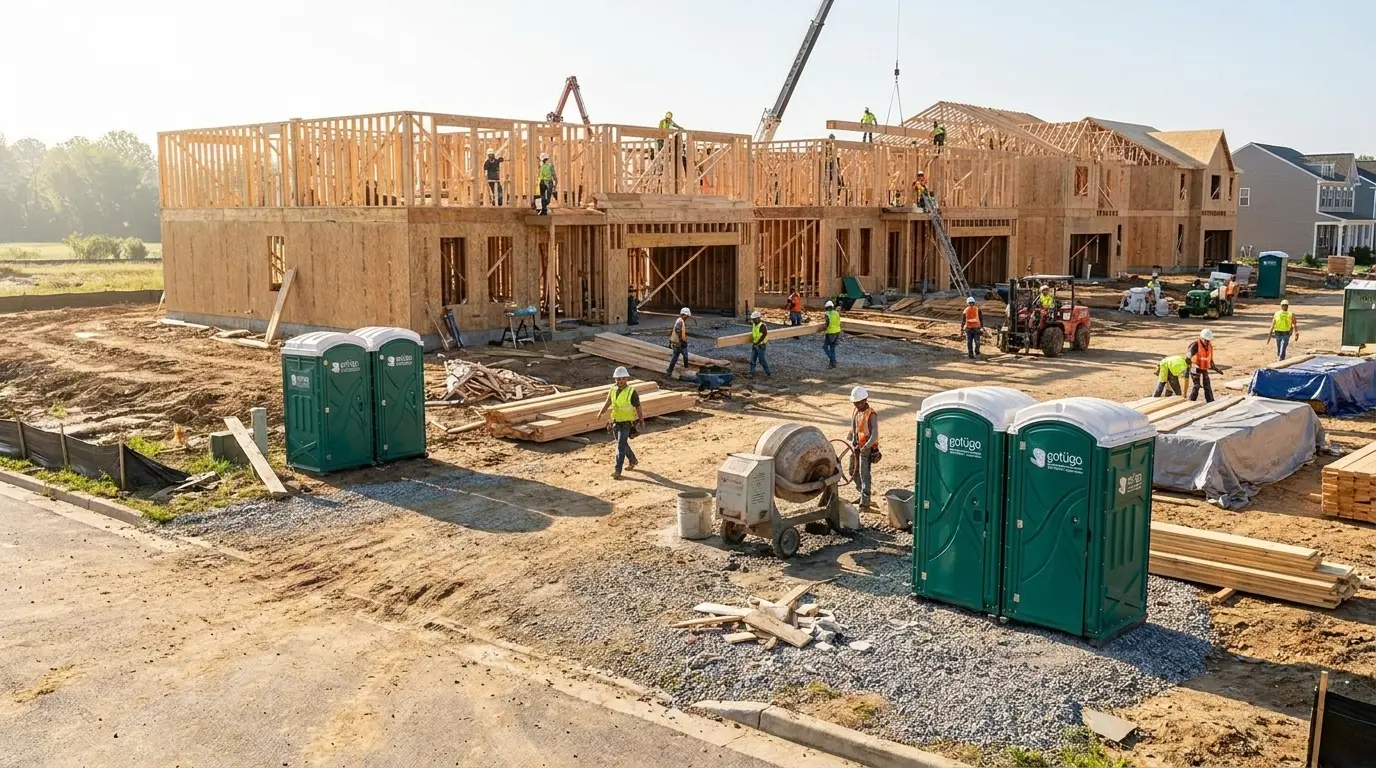
OSHA 29 CFR 1926.51 requires one toilet per 20 workers on construction sites with separate facilities for each gender. ADA Standards for Accessible Design mandate a certain number of handicap-accessible units at public events. Local health department permits are often required for temporary sanitation at events over a certain size. State environmental agencies regulate waste disposal and require licensed haulers for tank pumping. Fire marshals may impose spacing and accessibility rules for units at large gatherings. Some states have specific ratios of portable toilets per number of attendees or workers (e.g., California Title 8).
A single code violation can cost more than upgrading to a luxury trailer. Know the rules before you rent.
Standard Porta Potty Costs: What You Get for the Price
A standard porta potty rental typically costs $75 to $150 per weekend for a single unit. Weekly rates for construction sites run $100 to $200 per unit. Delivery and pickup add $50 to $100. Cleaning and restocking service during a multi-day event adds $50 to $75 per visit. These units hold 60–70 gallons of waste and serve about 10–15 people per day before needing service.
For a construction crew of 20 workers, you need at least one unit per OSHA rules. That’s $200–$400 per month per unit. In states like California or New York, higher labor and disposal costs push prices up 15–20%. In Texas or Florida, competition keeps rates lower. Seasonal demand spikes in summer for festivals and weddings can raise prices by 25%.
Luxury Restroom Trailer Costs: What Drives the Price
| ** | Luxury restroom trailers** cost $1,000 to $3,000 per day for a basic 2-stall unit. | Larger trailers with multiple stalls, running water, HVAC, and upscale finishes run $2,500 to $5,000 per day. | Delivery and setup for a trailer requires a truck and sometimes a permit for oversized loads – add |
|---|---|---|---|
| $200–$500. Service includes fresh water fill, waste tank pump | -out, and restocking supplies, typically | ||
| $150–$300 per service. |
These trailers hold 100–200 gallons of fresh water and 150–300 gallons of waste. They can handle 50–100 people per day. For high-end events like weddings or corporate functions, the trailer becomes a necessity. In Colorado or Oregon, where outdoor weddings are common, trailers are often booked months in advance. In Arizona or Nevada, summer heat makes air-conditioned trailers a must.
Hidden Costs and Fees to Watch For
-
Permits: Many counties require a permit for temporary sanitation at events over 100 people. Permit fees range from $50 to $500. In Alaska or Montana, remote locations may require special environmental permits.
-
Damage Waivers: Some rental companies charge a damage waiver of 10–15% of the rental cost. Standard porta potties are cheaper to replace, so waivers are lower.
-
Overtime: If your event runs longer than planned, you may incur overtime charges for pickup. Trailers often have strict return windows.
-
Cleaning Fees: Units returned excessively dirty may incur a cleaning fee of $50–$100.
-
ADA Compliance: You must provide handicap-accessible units. A standard accessible porta potty costs about the same as a standard unit. A trailer with ADA stall may cost more.
When to Choose Standard Porta Potties
Standard units work best for:
- Construction sites with 10–50 workers
- Short-term events (1–2 days) where budget is tight
- Remote locations where trailer access is difficult
- Events where guest expectations are low (e.g., sports tournaments, field days)
Check with American Portable Sanitation for local availability. In states like Mississippi or Arkansas, standard units are the default for most jobs.
When to Choose Luxury Restroom Trailers
Trailers are the right choice for:
- Weddings, galas, and corporate events where appearance matters
- VIP areas at festivals or fairs
- Long-term events (multiple days) where comfort is key
- Locations with high heat or cold where climate control is needed
- Events with many female guests (trailers offer better amenities)
In California or New York, many event venues require trailers. In Florida or Hawaii, outdoor weddings almost always use trailers.
Cost Comparison: Real-World Scenarios
Scenario 1: Construction site, 20 workers, 1 month
- Standard units: $200–$400 per month + $100 delivery = $300–$500
- Trailer: Not practical for construction; too expensive and fragile
Scenario 2: Wedding, 150 guests, 1 day
- Standard units (4 units + 1 ADA): $400–$600 + $200 delivery/service = $600–$800
- Luxury trailer (2-stall): $1,500–$2,500 + $400 delivery/service = $1,900–$2,900
- Difference: $1,100–$2,300. For a $30,000 wedding, that’s 4–8% of budget.
Scenario 3: Music festival, 500 attendees, 3 days
- Standard units (15 units + 3 ADA): $2,250–$3,750 + $1,000 service = $3,250–$4,750
- Trailers (4 two-stall trailers): $12,000–$20,000 + $3,000 service = $15,000–$23,000
- Difference: $11,750–$18,250. Many festivals mix both: standard for general crowd, trailers for VIP.
Regional Factors That Change the Numbers
-
Climate: In Arizona or Texas, summer heat can make standard units unbearable. Trailers with AC become necessary, raising costs.
-
Local Codes: California Title 8 specifies exact ratios of toilets per worker. New York City requires permits and inspections for any event over 75 people. Oregon has strict environmental disposal rules.
-
Seasonality: In Minnesota or Wisconsin, winter events require heated trailers or insulated units. In Florida, hurricane season can cause demand spikes.
-
Labor Costs: Urban areas like Los Angeles or Chicago have higher delivery and service fees. Rural areas in Kansas or Nebraska are cheaper.
For specific state pricing, check Porta Potty Rentals in California or Porta Potty Rentals in Texas (if available).
Regulatory Bodies and Standards
- OSHA: 29 CFR 1926.51 – toilet ratios for construction
- ADA: Accessible units required at public events
- Local Health Departments: Permits for events over certain size
- State Environmental Agencies: Waste disposal regulations
- Fire Marshals: Spacing and access rules
- Portable Sanitation Association International (PSAI): Industry best practices
- American Rental Association (ARA): Rental standards Ignoring these can lead to fines of $500–$5,000 per violation. In New Jersey or Massachusetts, enforcement is strict.
How to Get an Accurate Quote
-
Determine your event type and guest count.
-
Check local permit requirements.
-
Ask about delivery, service, and pickup fees.
-
Get quotes from at least three companies.
-
Ask if they have trailers in stock for your date.
-
Verify ADA compliance.
Contact American Portable Sanitation for a nationwide quote or check state-specific pages like Porta Potty Rentals in Florida.
The Bottom Line on Luxury Restroom Trailer vs Standard Porta Potty Costs
Choosing between a standard porta potty and a luxury restroom trailer depends on your budget, event type, and local rules. Standard units are cheap and work for construction and casual events. Trailers cost 5–10 times more but provide comfort and meet high-end expectations. Hidden costs like permits, service fees, and regional price differences can change the total by 20–50%. Always get a written quote that includes all fees. Check with American Portable Sanitation for pricing in your area. For state-specific info, see Porta Potty Rentals in New York or Porta Potty Rentals in Texas if available.
Frequently Asked Questions
How much does a standard porta potty rental cost?
How much does a luxury restroom trailer cost per day?
What hidden fees should I watch for?
Which option is better for a wedding?
Do I need a permit for portable toilets?
How many porta potties do I need for 100 guests?
Need Nationwide Porta Potty Rentals?
We connect you with trusted local providers in your state or city. Call or email us today.